
She chose portraiture to showcase human life-sized images of microscopic marine creatures to emphasize their ecological importance, to make visible the invisible. She juxtaposed images of human tissue sections with landscapes to consider the connections between human beings and the land in which they originated. Edith Krause merges the worlds of art and science and in particular, her interest in biology has been a major influence on the subject matter of her work. Her art practice explores ecosystems, employing scientific methodology to collect images and data, and art to express her findings.
Edith Krause is a printmaker who began studying art at Emily Carr Institute of Art & Design. She completed her MFA at the University of Alberta. In the past, she studied and worked in the fields of marine biology and aquatic ecology at UBC, earning a Masters of Science in zoology.
“The thing that sets contemporary art apart from decorative art is that the objective is to get conversations going about something. To raise issues, to get people to see something in a new way, to think about things in a new way”. Quote from “Fort Gallery Hosts Annual ‘Arty Party’”, Miranda Fatur, October 31, 2018. https://www.langleyadvancetimes.com/entertainment/fort-gallery-hosts-annual-arty-party-2515491
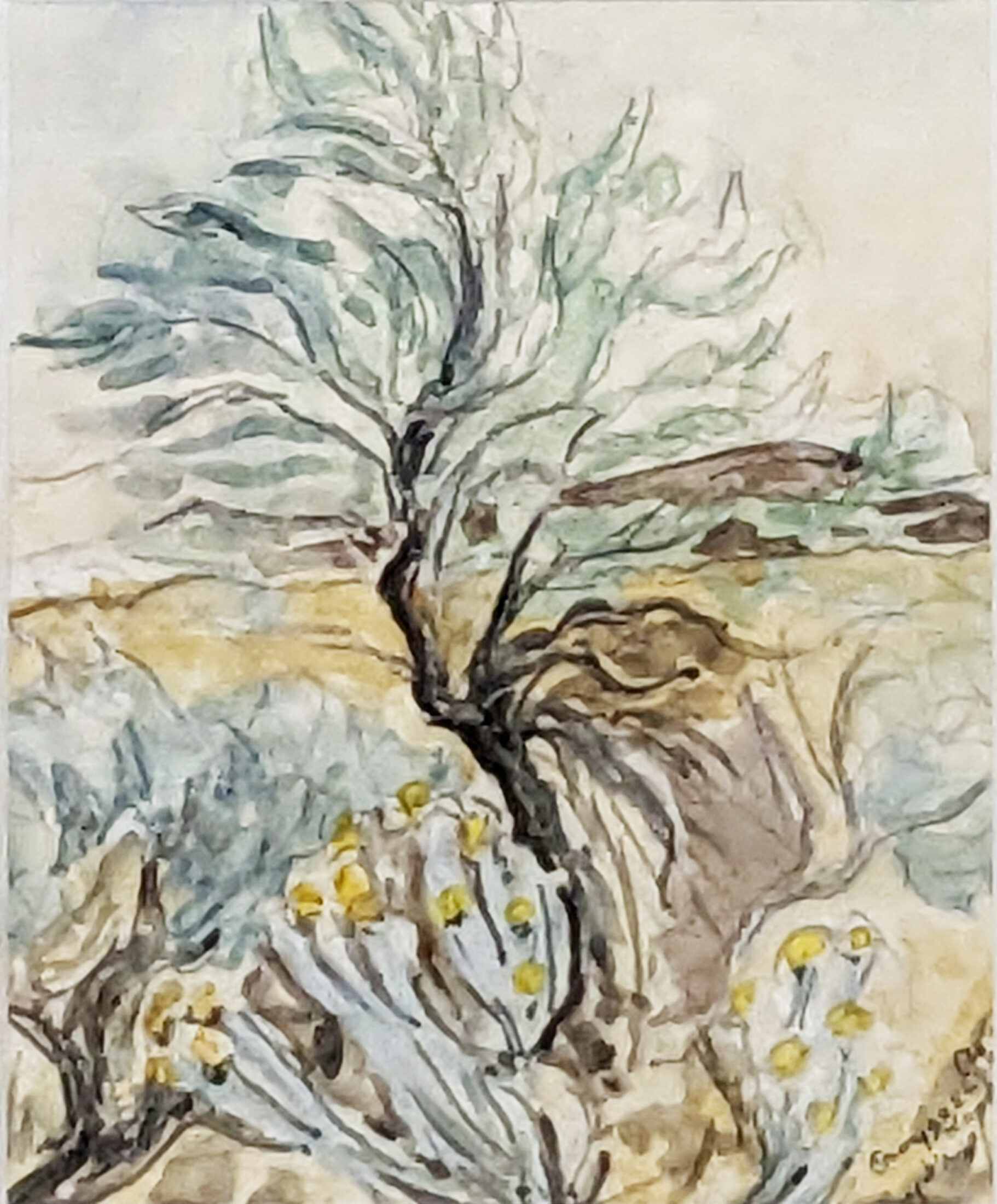
Artwork: Edith Krause. Secret Garden XXXII. Mixed media, mono print, 1/1. 2007.
For all you deep art divers out there.
Artist’s website
The Canadian Art Preservation Foundation posts short biographies and information on artists and artwork from its collection in a not-so-subtle attempt to capture your attention and interest in our mission, but we also just want to keep this artwork in view. We are excited about the art we collect and want to share it with you.
CAPF is a non-profit organization dedicated to preserving the artwork of Canada’s superstar artists for future generations to examine, study and exhibit – the ones you know and the ones you might not know so well. We accept artwork, journals, notes, letters, exhibition catalogues and anything else that might comprise a visual and/or intellectual “portrait” (ahem, please pardon the pun) of a particular artist.
View more artwork from our CAPF Collection and if you’d like, Donate Here.
We archive, preserve and promote Canadian art.